Suggested Big Band Listening for Students
This list exists to support a simple but often overlooked truth: students cannot play what they have not heard.
Big band style—its articulation, time feel, balance, phrasing, and ensemble hierarchy—is transmitted primarily through listening. No amount of verbal explanation or rehearsal efficiency can substitute for sustained exposure to great recordings. Before students can convincingly interpret Basie, Ellington, Thad Jones, or Maria Schneider on the page, they must first learn how this music sounds in motion.
The albums listed below are not presented as a canon or a checklist. They are reference points—models of clarity, intention, and collective sound—intended to orient young musicians toward the traditions and possibilities of large-ensemble jazz. Some are stylistically foundational; others reflect moments of expansion, redefinition, or resistance within the big band lineage.
Directors might use this list in many ways: as assigned listening, as background music in rehearsal, as comparative study alongside charts on the stand, or simply as an invitation to curiosity. The goal is not completion, but familiarity—learning to recognize sound, style, and musical values across eras.
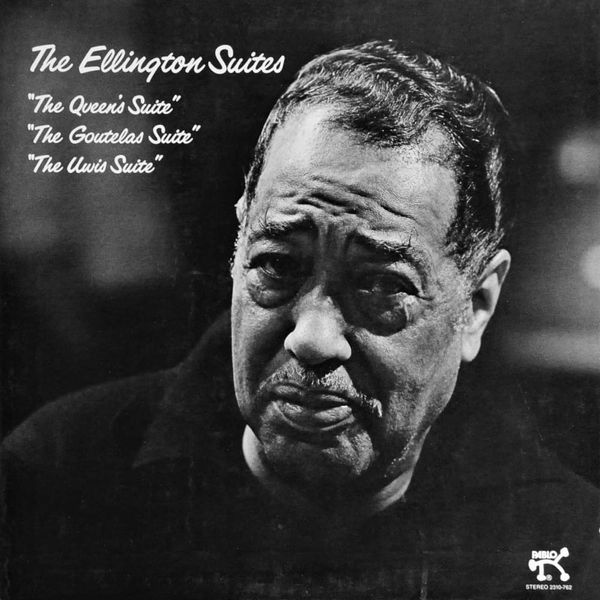
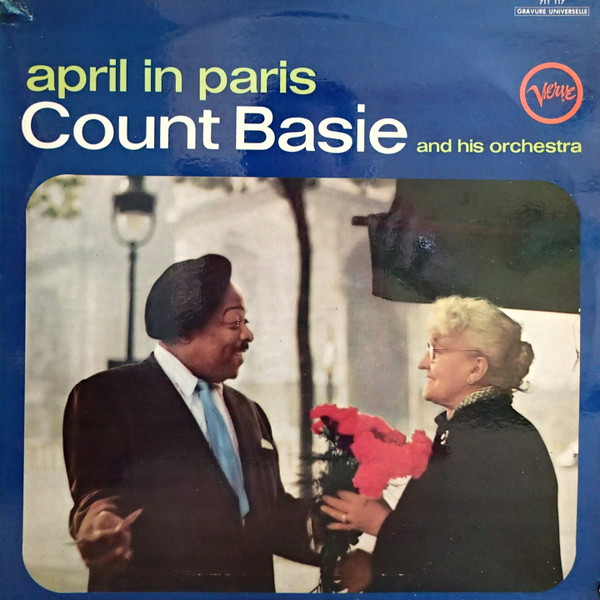
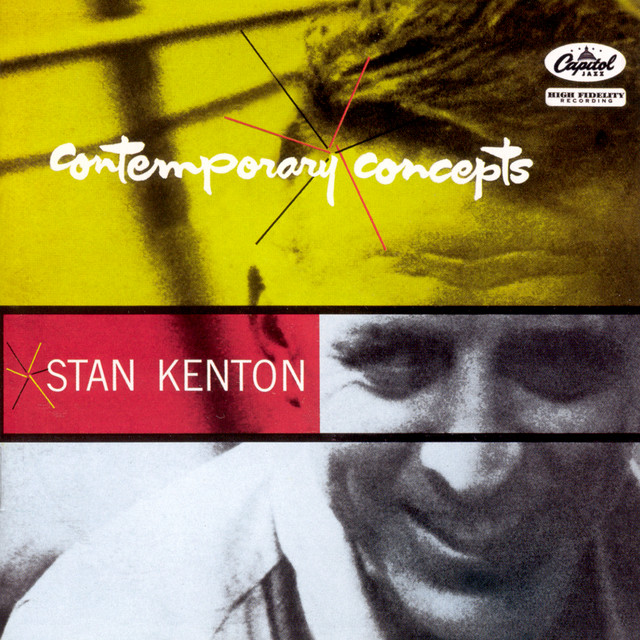

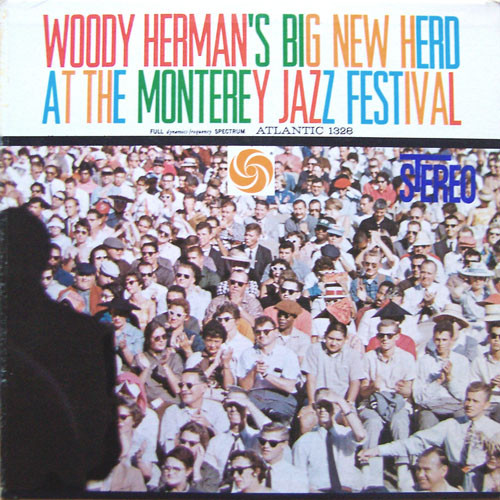
- Big New Herd at the Monterey Jazz Festival” (1960) [YouTube], [Spotify]
- “1963 The Swingin’est Big Band Ever” (1963) [YouTube]
- Giant Steps (1973) [YouTube], [Spotify]
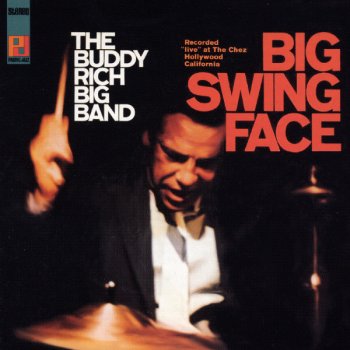
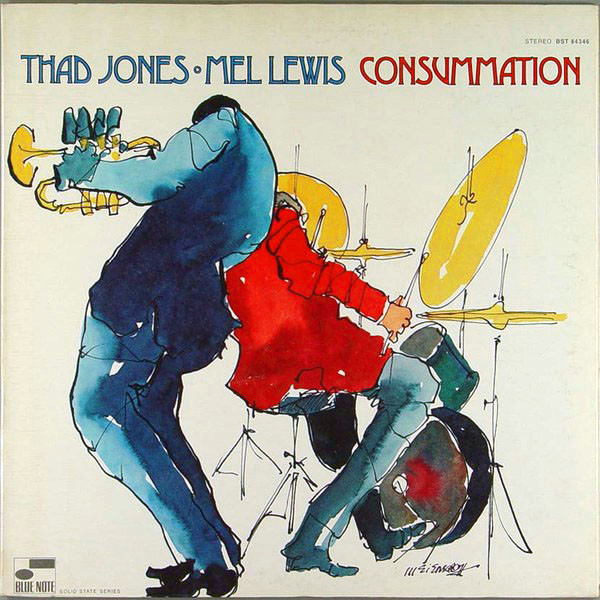
- “Consummation” (1970) [YouTube], [Spotify]
- “The Definitive That Jones, Vol. 1” (1989) [YouTube], [Spotify]
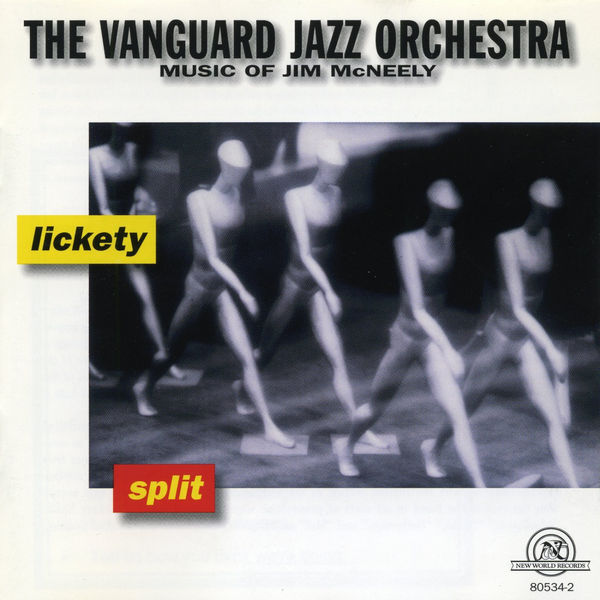
- “Likety Split: Music of Jim McNeely” (1997) [Spotify]
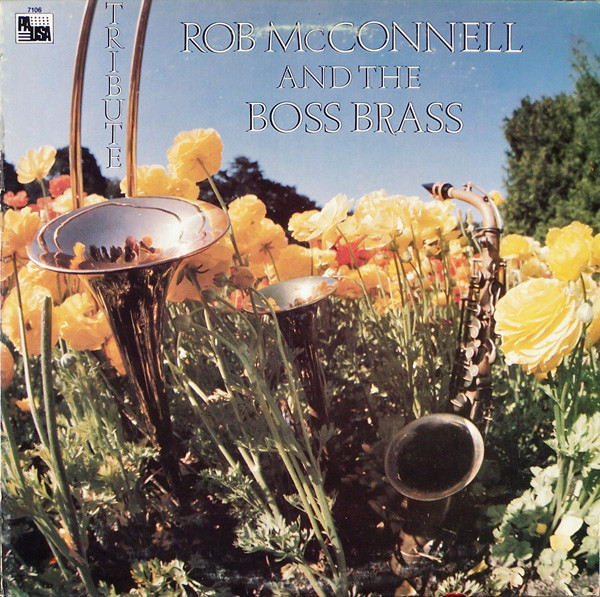
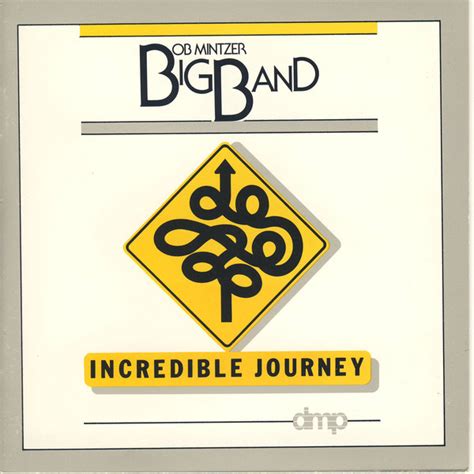
- “Evanescence” (1994)
It is difficult to know where to stop.
The artists and ensembles listed here represent only a portion of the big band tradition, which continues to evolve across generations, geographies, and aesthetic priorities. Other essential figures include Fletcher Henderson, Tommy Dorsey, Benny Goodman, Billy Eckstine, Gerald Wilson, Machito, Chico O’Farrill, Toshiko Akiyoshi, Jimmie Lunceford, Gil Evans, Sun Ra, Charles Mingus, Kenny Wheeler, Carla Bley, the Jazz at Lincoln Center Orchestra, and many others.
Listening is not passive. It is an active, ethical, and communal act—one that connects students to history, to each other, and to a living art form. If this list helps students listen more deeply, question more thoughtfully, and play with greater awareness, it has served its purpose.