This course outline describes the structure and expectations of upper-level jazz lessons at the University of Connecticut. These lessons are designed as an intensive, individualized study focused on stylistic fluency, historical grounding, and the internalization of jazz language through close listening and disciplined practice.
At this stage of study, the emphasis shifts from accumulation to refinement. Jazz lessons function as a laboratory for deep engagement with the tradition—where imitation, analysis, and application converge in the service of developing a personal voice grounded in lineage.
Course #: MUSI 3222, Section 009 (2 credits)
Semester: Spring 2021
Instructor: Earl MacDonald
Class meeting times: Synchronous online instruction via Zoom; scheduled individually
Online office hours: By appointment
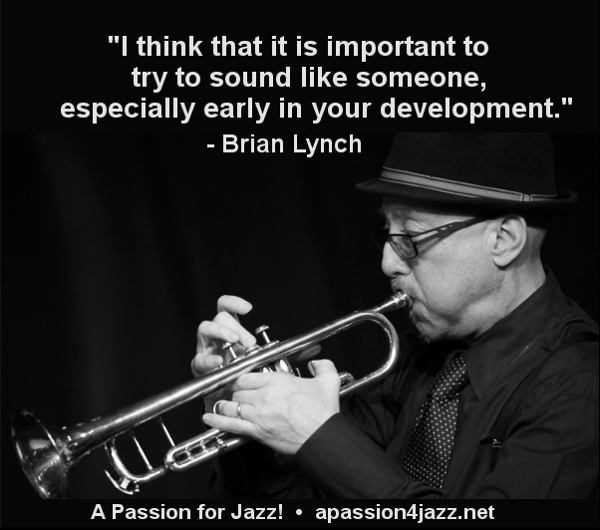
“Imitate. Assimilate. Innovate.”
— Clark Terry
Approach
Students pursue one of two focused paths of study, each centered on transcription as a primary means of learning jazz vocabulary:
- An in-depth study of the recorded solos of a single, iconic jazz artist.
- A broader transcription project drawing from multiple artists, including performers on instruments other than the student’s own.
In both approaches, students transcribe, analyze, memorize, and apply improvisational language with close attention to nuance—pitch, articulation, time feel, phrasing, and expressive intent. The goal is not replication for its own sake, but absorption leading to flexibility and choice.
Semester Expectations
By the end of the semester, a minimum of five complete solos must be transcribed, thoroughly analyzed, memorized, and deconstructed. This includes learning the thematic material (“head”) associated with each recording and isolating smaller segments for transposition and application.
The five transcriptions may include:
- Two twelve-bar blues
- Two rhythm changes
- One ballad
- One standard
In addition, students are expected to memorize at least five jazz standards and add them to their active repertoire. Ideally, repertoire development should continue at a pace of approximately one tune per week.
Sight-reading, technical maintenance, flexibility, and range-building exercises (where applicable) are ongoing responsibilities. Practice routines are reviewed regularly and adjusted to support efficiency, balance, and long-term growth.
Weekly Lessons
Each week, students receive a clearly defined assignment tailored to their current level and focus. Assignments are designed to be demanding yet attainable, emphasizing mastery and integration rather than exposure alone.
Weekly work may include:
- Partial or complete solo transcription
- Transposing vocabulary into all twelve keys
- Memorization and recall
- Learning entire solos in alternate keys
- Identifying, categorizing, and adapting musical vocabulary
- Applying material across harmonic and formal contexts
- Studying pacing, phrase structure, and narrative shape
Weekly assignments constitute 80% of the final grade and are evaluated based on preparation, accuracy, depth of understanding, and demonstrated assimilation of material.
Semester-End Jury
At the conclusion of the semester, students perform a jury examination adjudicated by the jazz faculty. The jury accounts for the remaining 20% of the final grade and reflects the material and concepts developed throughout the term.
Course content, scheduling, and assessment are responsive to student progress and may evolve over the course of the semester. Students are expected to remain engaged with ongoing updates and adjustments.
Communication policy—E-mail is the instructor’s preferred method of communication with students. Please allow 48-hours for replies. When requesting a meeting with me outside regularly scheduled lessons, please submit several meeting time options. I prefer to be addressed as Professor MacDonald.
Copyright
My lectures, notes, handouts, and displays are protected by state common law and federal copyright law. They are my own original expression and I’ve recorded them prior or during my lecture in order to ensure that I obtain copyright protection. Students are authorized to take notes in my class; however, this authorization extends only to making one set of notes for your own personal use and no other use. I will inform you as to whether you are authorized to record my lectures at the beginning of each semester. If you are so authorized to record my lectures, you may not copy this recording or any other material, provide copies of either to anyone else, or make a commercial use of them without prior permission from me.
Academic and Conduct Policies for Students
⇒ https://provost.uconn.edu/syllabi-references/
This page provides students with centralized access to policies related to academic integrity, conduct, discrimination and harassment, attendance, and accommodations, offering clarity on the standards that shape their classroom experience.
Some useful telephone numbers:
- Counseling and Mental Health Services: 860-486-4705 (after hours: 860-486-3427) www.cmhs.uconn.edu
- National Suicide Prevention Lifeline: http://suicidepreventionlifeline.org/ Dial 988.
- Alcohol and Other Drug Services: 860-486-9431 www.aod.uconn.edu
- Dean of Students Office: 860-486-3426 https://dos.uconn.edu/
- Career Services: 860-486-3013 www.career.uconn.edu
- Center for Students with Disabilities: 860-468-2020 http://csd.uconn.edu/