This response was originally written in reply to a high school music teacher who asked if he could share my perspective with his students. The question was simple, but not superficial:
If you could turn back the clock to when you were 15, what would you practice?
I answered it honestly then, and I still stand by the core of that answer now—though I hear it differently with distance.
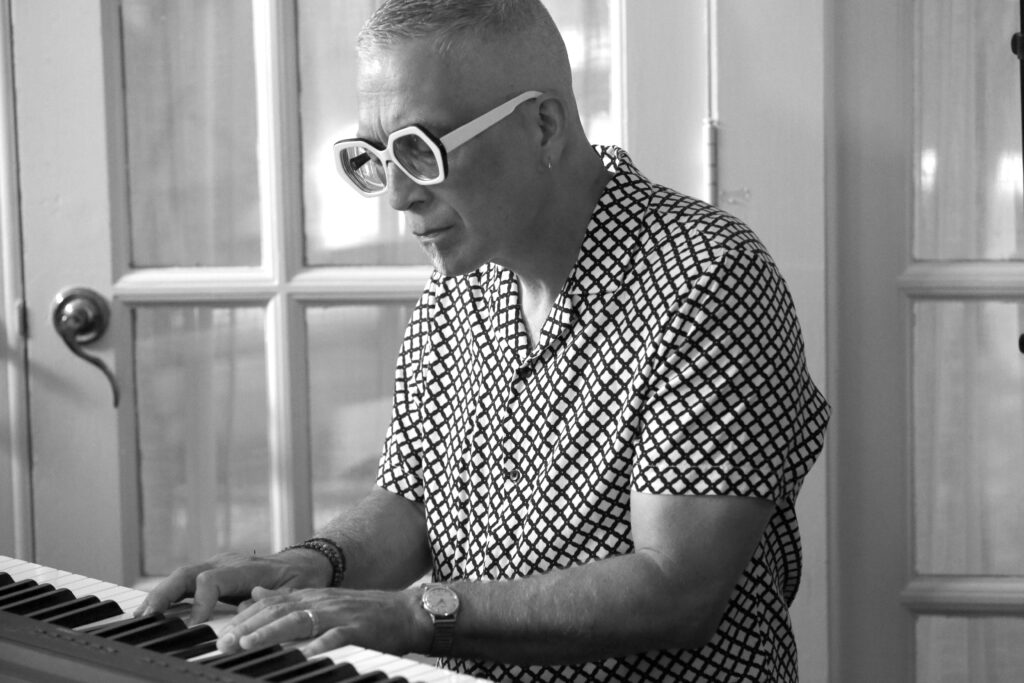 When I was 15, I was in transition. I had just moved from electronic organ to piano, had begun classical piano lessons for the first time, and was only starting to sense that jazz was something deeper than repertoire. Like many young musicians, I was motivated, curious, and earnest—but largely unguided. I didn’t lack effort; I lacked orientation.
With hindsight, what I needed most was not more material, but earlier exposure to three things:
technical fluency, listening, and mentorship.
If I could revisit that moment, I would devote sustained, patient attention to the fundamentals of my instrument—scales, touch, coordination, and time. I would listen broadly and deeply to recorded jazz, not casually but repeatedly, learning how the music feels before worrying about how it is explained. And I would seek out teachers who could help me distinguish between what mattered now and what could wait.
I didn’t begin transcribing until university—not because I was incapable, but because no one had suggested it as a normal, necessary part of learning the music. I also arrived at college with technical gaps that required significant “catch-up” work. None of this was catastrophic, but it shaped the way I now think about sequencing, pacing, and expectations for young musicians.
So the answer I would offer—then and now—is this:
If you are young and serious about music, prioritize mastery of your instrument, deep listening, and trusted guidance. Skills compound. Habits harden. Early clarity saves years of unlearning later.
Everything else—the styles, the credentials, the opportunities—tends to follow.